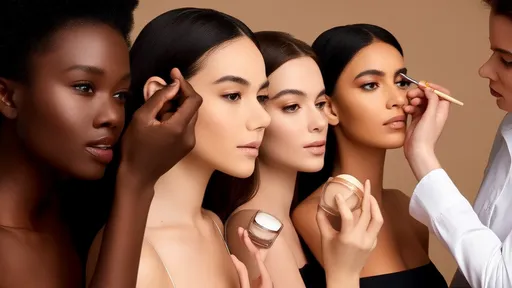
The art of makeup application is a transformative process that combines technique, creativity, and self-expression. From the initial prep work to the final touches, each step builds upon the last to create a cohesive and polished look. Understanding the sequence and purpose of each stage is essential for achieving professional-quality results, whether you're a beginner or a seasoned beauty enthusiast.
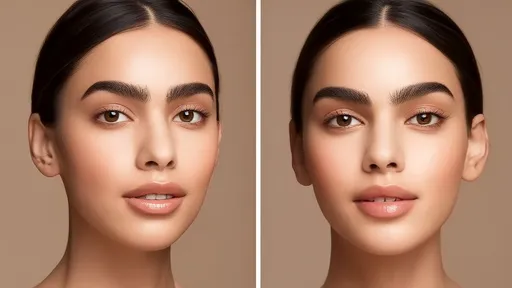
Prepping the skin is the crucial foundation of any makeup routine. Cleanse and moisturize thoroughly to create a smooth, hydrated base. A well-moisturized face prevents makeup from settling into fine lines or appearing patchy. Follow with a primer tailored to your skin type – silicone-based for blurring pores or hydrating formulas for dry skin. This step ensures longevity and helps products blend seamlessly. Don't forget to apply lip balm early in the process to soften lips before lipstick application later.
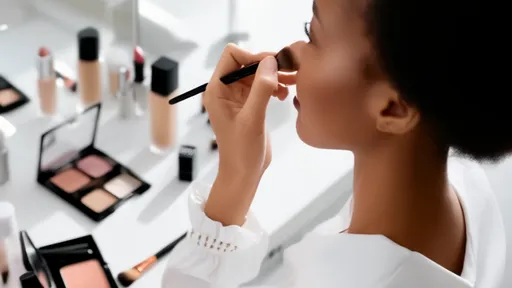
Moving to complexion products, begin with color correction if needed to neutralize discoloration. Green cancels redness, peach brightens dark circles, and lavender combats sallowness. Apply foundation using tools that suit your preferred finish – brushes for full coverage, sponges for a natural look. Blend outward toward the hairline and jawline to avoid harsh lines. Concealer comes next, applied after foundation to avoid over-application. Use a lighter shade under eyes in a triangular pattern and precisely cover blemishes with an exact match.
Setting the base prevents creasing and maintains your hard work. Pressed or loose powder applied with a fluffy brush locks in liquid products. For dry skin, focus only on the T-zone or use a hydrating setting spray instead. Cream products like blush or bronzer should be applied before powder, while powder formulas come after. This layering technique prevents patchiness and allows for better blending between product textures.
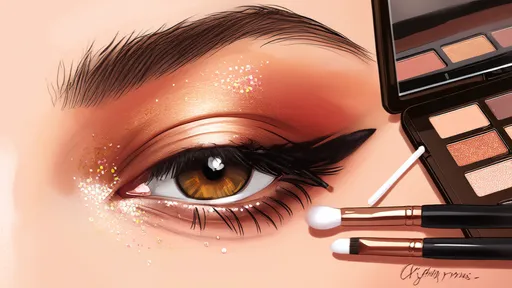
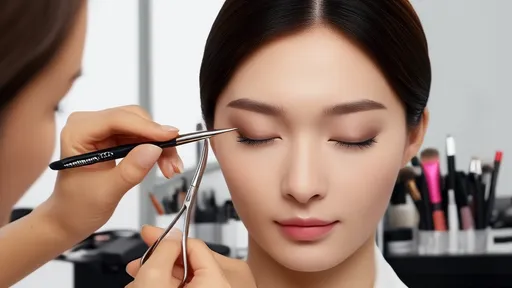
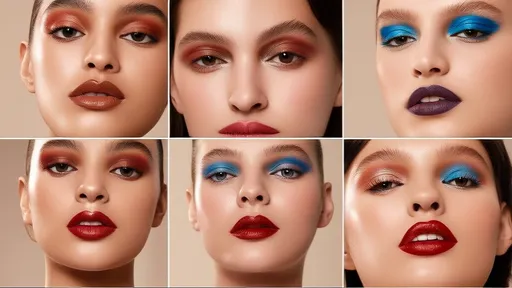
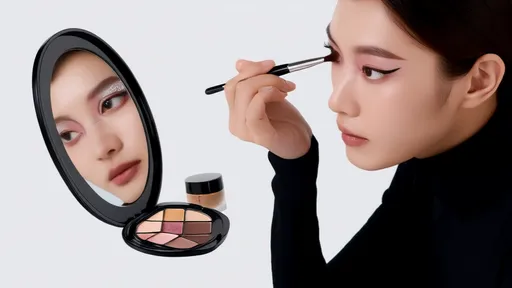
The eye makeup sequence requires particular attention to detail. Start with eyeshadow primer to prevent creasing and intensify pigment. Apply transition shades in the crease first, then build depth with darker colors, finishing with lid shades. Eyeliner comes after shadow – pencil for soft definition, liquid for precise wings. Curl lashes before mascara application for maximum effect. If using false lashes, apply them after mascara has dried completely. Fill in brows after eye makeup to frame the face while accounting for any fallout from shadows.
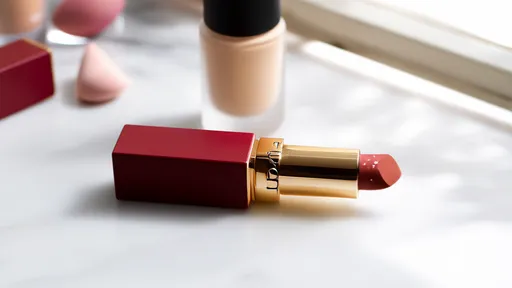
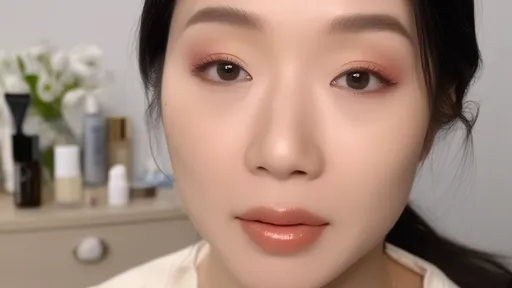
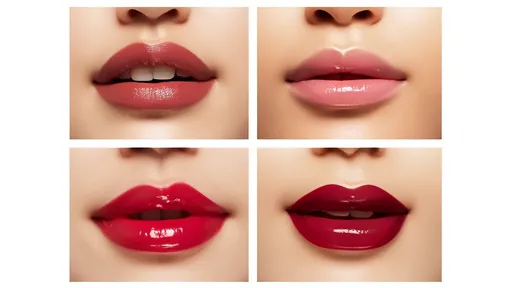
Finishing touches pull the entire look together. Highlight the high points of the face after other powder products are applied. Setting spray melts all layers into the skin for a seamless finish. Revisit lip products last – line, fill, and apply lipstick or gloss. Carry blotting papers and a mini powder for touch-ups throughout the day. Remember that makeup wears differently on everyone, so adjust product choices and techniques based on your skin type, environment, and personal preferences.
Mastering makeup application is an evolving process that improves with practice and experimentation. While these steps provide a reliable framework, some variations exist depending on individual features, desired looks, and product formulations. The true artistry lies in understanding how each element interacts and adapting techniques to enhance natural beauty. Whether creating a subtle daytime look or dramatic evening makeup, this systematic approach ensures balanced, long-wearing results that highlight your best features.

By /Jun 28, 2025
By /Jun 28, 2025
By /Jun 28, 2025

By /Jun 28, 2025

By /Jun 28, 2025
By /Jun 28, 2025
By /Jun 28, 2025
By /Jun 28, 2025

By /Jun 28, 2025
By /Jun 28, 2025

By /Jun 28, 2025

By /Jun 28, 2025
By /Jun 28, 2025
By /Jun 28, 2025
By /Jun 28, 2025
By /Jun 28, 2025

By /Jun 28, 2025

By /Jun 28, 2025