The transition between seasons brings more than just a change in weather—it signals a shift in our entire aesthetic approach. As nature cycles through its vibrant transformations, our makeup routines deserve an equally thoughtful evolution. Seasonal makeup adaptation isn't merely about following trends; it's an artful response to environmental changes that affect both our skin and our color perceptions.
When autumn leaves begin to fall, the crisp air carries a new energy that begs for richer tones and deeper expressions. This is when skin often loses its summer radiance, requiring adjusted base products and application techniques. The cooler months invite us to play with dimension through contouring and highlight placement that complements lower sun angles. Meanwhile, spring's awakening calls for luminosity and freshness, as if our complexions are emerging from hibernation alongside the blossoms.
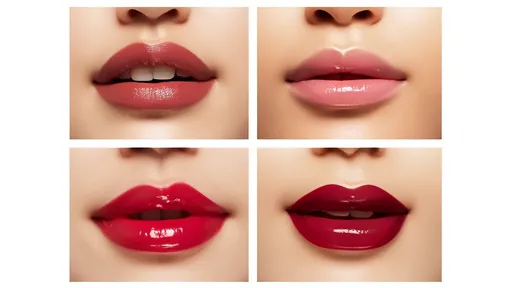
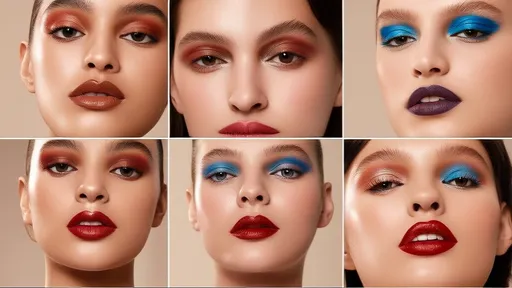
Understanding seasonal color theory forms the foundation of successful transitional makeup. The quality of natural light shifts dramatically throughout the year—summer's golden glow gives way to winter's blue-tinged brightness, while spring offers soft diffusion and autumn provides warm, angled illumination. These changes affect how pigmentation appears against skin, making certain shades suddenly look harmonious while others appear jarring. A burgundy that looks regal in December might seem heavy and oppressive in May, just as a pastel pink that charms in April could wash out complexions come November.
Texture adaptation proves equally crucial as chromatic considerations. Humid summer months demand lightweight, sweat-resistant formulas that won't slide off shiny skin, while winter's dry air calls for creamy, emollient products that prevent a parched appearance. The intelligent makeup enthusiast maintains separate seasonal stashes rather than forcing year-round use of incompatible products. There's wisdom in rotating your collection rather than stubbornly making the wrong formula work through sheer willpower.
Skin preparation rituals must evolve alongside your cosmetic selections. That dewy finish you perfected in July requires different priming techniques when facing January's indoor heating. Seasonal shifts often necessitate complete skincare routine overhauls—what served you in humid weather becomes inadequate when dryness strikes. The most flawless seasonal makeup applications begin days or weeks in advance through adjusted cleansing, exfoliation, and moisturizing regimens tailored to the coming weather patterns.
Cultural influences and psychological factors subtly guide our seasonal makeup choices. There's an unspoken collective energy that makes berry lips feel "right" as holidays approach, or that has us craving clean, minimal looks when spring cleaning instincts emerge. These subconscious associations create natural opportunities to refresh your style without appearing to chase trends. The observant beauty enthusiast recognizes these patterns and rides their wave rather than fighting against seasonal momentum.
Practical considerations often dictate seasonal adjustments more than aesthetic preferences. Shorter winter daylight hours might call for more defined eye makeup that remains visible in dim lighting, while summer's outdoor activities demand sweat-proof formulations. Urban dwellers face different seasonal challenges than those in rural settings—city pollution combined with winter cold creates unique skin stresses requiring specialized makeup approaches. Your geographical context should inform seasonal decisions as much as any color wheel.
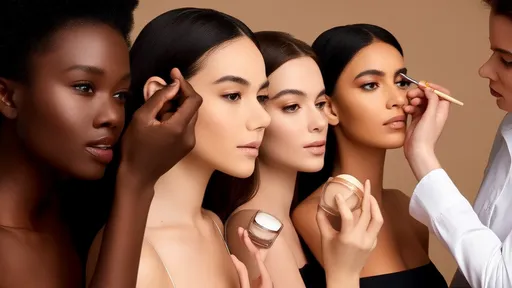
Experimentation remains key to discovering your perfect seasonal transitions. What works for one person's skin type and coloring might fail spectacularly for another. The period between seasons offers valuable testing time—those awkward weeks when summer lingers but autumn whispers its approach provide ideal opportunities to trial new combinations. Keep a seasonal makeup journal noting which formulations and shades performed well under specific weather conditions, creating your personalized reference guide over years of observation.
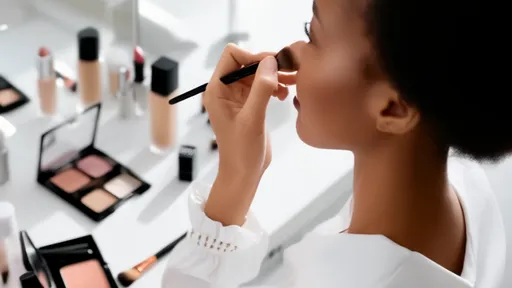
Professional makeup artists often employ seasonal transition techniques that everyday enthusiasts can adapt. The concept of "layering intensity" allows one to gradually adjust their look—perhaps starting with deeper blush placement while maintaining lighter lip colors, then progressively introducing richer tones across all features. This creates a natural evolution rather than an abrupt seasonal whiplash in your appearance. Similarly, adjusting application tools (dense brushes for winter sheers, sponges for summer dew) can help products perform optimally in changing conditions.
Ultimately, seasonal makeup adaptation celebrates the passage of time rather than resisting it. Each quarter brings fresh creative possibilities and an opportunity to rediscover your features through different lenses. By developing sensitivity to environmental cues and understanding your skin's changing needs, you transform obligatory maintenance into an artistic practice that honors nature's rhythms. The most captivating makeup looks aren't those that fight seasonal realities, but those that embrace and elevate them.
By /Jun 28, 2025
By /Jun 28, 2025
By /Jun 28, 2025
By /Jun 28, 2025
By /Jun 28, 2025
By /Jun 28, 2025
By /Jun 28, 2025
By /Jun 28, 2025

By /Jun 28, 2025
By /Jun 28, 2025

By /Jun 28, 2025

By /Jun 28, 2025
By /Jun 28, 2025
By /Jun 28, 2025
By /Jun 28, 2025
By /Jun 28, 2025

By /Jun 28, 2025
By /Jun 28, 2025