In the fast-paced world we live in, having makeup that stays put from morning meetings to evening events is nothing short of essential. The quest for persistent perfection in our cosmetic routine has led to countless innovations and techniques that promise to keep our look fresh throughout the day. While some swear by expensive setting sprays and primers, others have discovered that the true secret lies in the application process itself.
The foundation of long-lasting makeup begins with properly prepped skin. Many make the mistake of applying products immediately after washing their face, not realizing that slightly damp skin can cause makeup to slide off faster. Instead, take the time to gently pat your face dry and wait a few minutes before beginning your routine. This simple step creates the ideal canvas for makeup that adheres properly and resists fading.
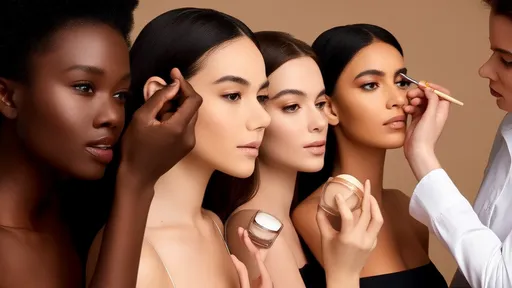
Seasoned makeup artists emphasize the importance of understanding your skin type when aiming for durability. Those with oily skin face different challenges than their dry-skinned counterparts. The key is to address your specific needs before applying any color products. For oilier complexions, a mattifying primer applied to the T-zone can work wonders, while drier skins benefit from hydrating primers that prevent makeup from settling into fine lines as the day progresses.
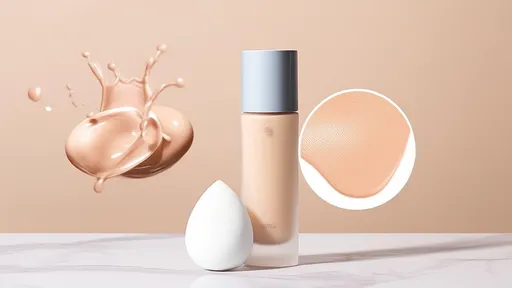
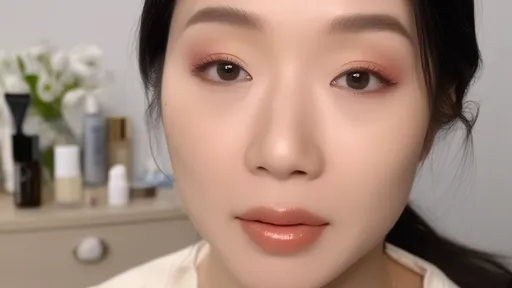
Layering techniques make a significant difference in how long your makeup remains intact. The traditional method of applying foundation directly to the skin often leads to quicker breakdown. A professional trick involves using thin layers - start with a light base, set it with powder, then add another thin layer of product. This sandwich effect creates a more stable structure that withstands environmental factors and natural oils breaking through.
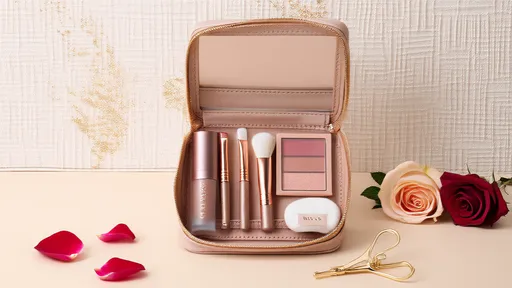
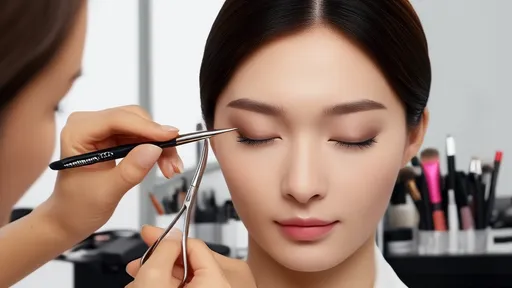
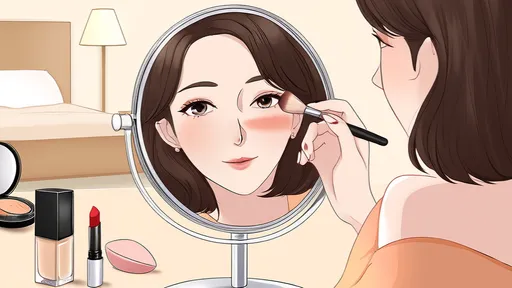
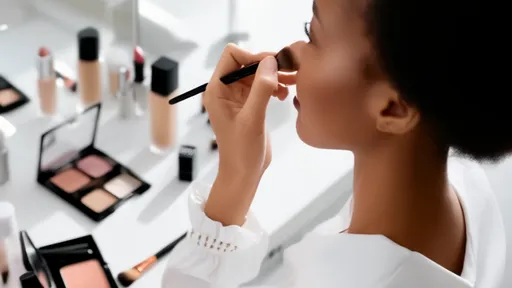
The tools you use play an underappreciated role in makeup longevity. While fingers can blend beautifully, they often deposit product unevenly, leading to patchy wear. Brushes provide more controlled application, but beauty sponges, when used damp, create the most seamless and long-wearing finish. The moisture in the sponge helps press the product into the skin rather than letting it sit on the surface where it's more likely to transfer or fade.
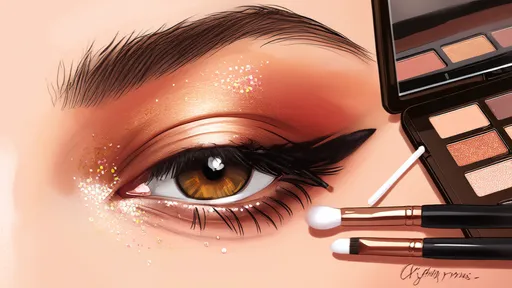
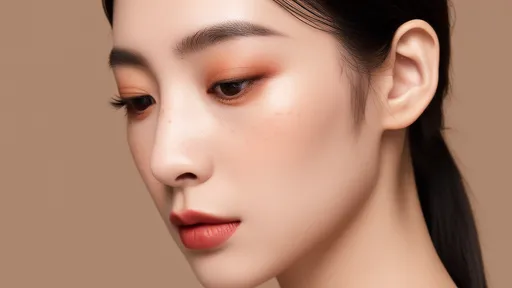
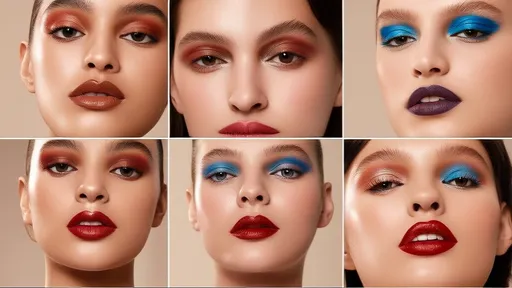
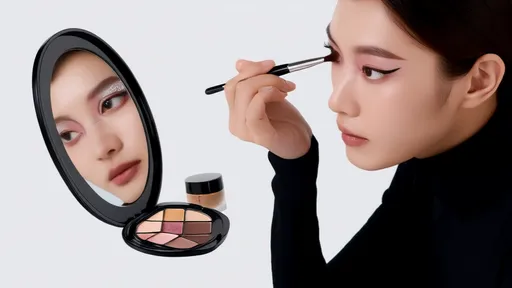
Eye makeup presents unique challenges when it comes to staying power. The delicate skin around our eyes moves constantly, causing even the best formulas to crease. The solution isn't necessarily more product - in fact, excessive eyeshadow application leads to quicker fallout. Instead, start with an eye primer or a dab of concealer set with powder. When applying shadow, build intensity gradually with soft, blending motions that help the pigment adhere better to the skin.
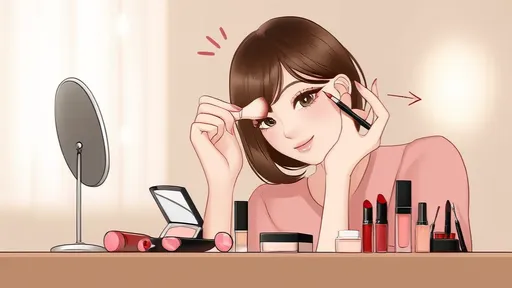
Eyeliner mishaps are perhaps the most noticeable as the day wears on. Gel and pencil formulas tend to smudge, while liquids can flake. The hybrid approach of setting your liner with matching eyeshadow using a small angled brush locks it in place remarkably well. This technique works equally for dramatic wings and subtle tightlining, preventing the dreaded panda-eye effect that plagues so many by midday.
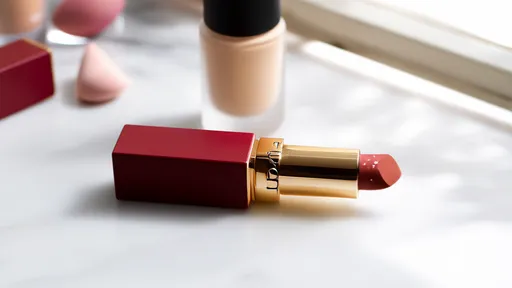
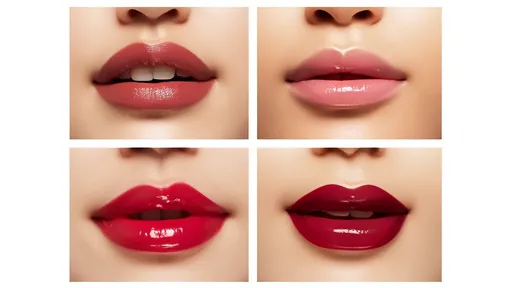
Lip color longevity has seen incredible advancements in recent years, yet many still struggle with constant reapplication. The traditional lip liner trick helps, but modern approaches suggest layering different formulations for optimal results. Start with a stain or tint, add a layer of creamy lipstick, then blot and apply a final thin coat. This combination gives the rich color payoff of traditional lipstick with significantly improved staying power, even through meals and drinks.
Setting products have evolved beyond simple sprays. While these remain useful, the current approach involves combining different types of setting products strategically. A light dusting of translucent powder followed by a hydrating setting spray creates a flexible barrier that moves with your skin rather than forming a stiff mask that cracks. For extra insurance, some professionals recommend using a tissue between layers to remove excess product that would otherwise contribute to breakdown.
Climate plays a substantial role in how makeup behaves throughout the day. Humid environments call for more powder-based products and water-resistant formulas, while drier climates benefit from creamier textures that won't emphasize flakiness. Adapting your routine to your local weather patterns can make all the difference between makeup that fades gracefully and makeup that disappears in unflattering patches.
The often-overlooked aspect of long-wearing makeup is actually what happens after application. Touching your face transfers oils and breaks down product, while activities like rubbing your eyes or resting your chin on your hand accelerate wear. Developing awareness of these habits can extend your makeup's lifespan as effectively as any premium product. When you do need to blot or touch up, patting motions preserve your look far better than rubbing or wiping.
Skincare's role in makeup longevity cannot be overstated. Well-moisturized skin provides a smoother base that holds product better, while exfoliation prevents makeup from clinging to dry patches. Incorporating hydrating serums and treatments into your nightly routine ultimately affects how your makeup performs the next day. Think of skincare as the foundation of your foundation - without proper care, even the best cosmetics won't reach their full potential.
Modern makeup formulations have made incredible strides in wear time, but understanding how to combine them creates the most impressive results. Silicone-based primers work best with water-based foundations, while oil-free products layer most effectively with powder formulas. Taking time to read labels and understand ingredient interactions prevents the pilling and separation that shortens your makeup's lifespan.
Perhaps the most surprising element in persistent makeup is the power of temperature. Cooler products tend to set more firmly on the skin - some artists even keep their setting sprays in the refrigerator for an extra refreshing finish that helps "shock" the makeup into place. On the flip side, warming cream products slightly between your fingers before application helps them melt into the skin for a more natural, longer-wearing effect.
Ultimately, achieving makeup that lasts from dawn to dusk requires both the right products and the proper techniques. It's not about applying more or spending excessively, but rather understanding how to work with your skin's natural rhythms and the products' properties. With practice and patience, anyone can master the art of persistent beauty that looks freshly applied hours after the initial application.
By /Jun 28, 2025
By /Jun 28, 2025
By /Jun 28, 2025
By /Jun 28, 2025
By /Jun 28, 2025
By /Jun 28, 2025
By /Jun 28, 2025
By /Jun 28, 2025
By /Jun 28, 2025
By /Jun 28, 2025
By /Jun 28, 2025

By /Jun 28, 2025
By /Jun 28, 2025
By /Jun 28, 2025
By /Jun 28, 2025
By /Jun 28, 2025
By /Jun 28, 2025
By /Jun 28, 2025