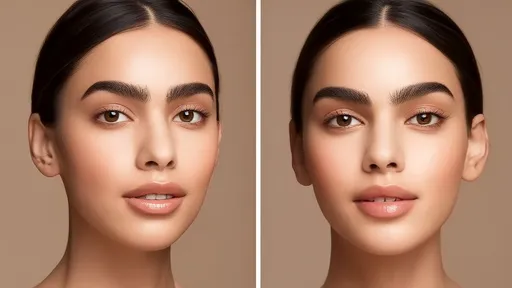
Eyebrows have long been considered one of the most expressive facial features, capable of transforming one's entire appearance with just a few well-placed hairs. In recent years, the beauty industry has witnessed an eyebrow revolution, moving away from over-plucked, pencil-thin lines to fuller, more natural-looking arches. The right eyebrow shape can lift the eyes, balance facial proportions, and even take years off one's appearance. But achieving that perfect arch requires more than just random plucking – it demands an understanding of facial structure, hair growth patterns, and personal style.
Understanding face shapes is the foundation of great eyebrow design. Just as hairstyles are tailored to complement different face structures, eyebrows should follow the same principle. For those with round faces, a higher arch creates the illusion of length, while angular faces benefit from softer, curved brows to balance sharp features. Oval faces, often considered the most versatile, can carry almost any brow shape well. Heart-shaped faces typically look best with rounded brows that soften a pointed chin. The key lies in creating harmony between the brows and other facial features rather than following fleeting trends.
The golden ratio of eyebrow mapping has become an essential tool for professionals and beauty enthusiasts alike. This technique involves measuring three key points – where the brow should start, arch, and end – using the nose as a reference point. The beginning of the brow should align with the side of the nose and inner corner of the eye. The arch's peak should occur when looking from the nose diagonally across the pupil. The tail should end where an imaginary line extends from the side of the nose past the outer corner of the eye. These measurements provide a customized blueprint for each individual's ideal brow shape.
Eyebrow thickness plays a crucial role in modern brow aesthetics. The current trend favors fuller brows that appear lush yet groomed, a stark contrast to the ultra-thin brows of the 90s. However, "full" doesn't mean unkempt. The ideal thickness depends on facial features – those with delicate features often suit slightly thinner brows, while stronger facial features can carry thicker ones. The natural hair pattern also dictates what's achievable; sparse brows may need filling rather than drastic reshaping. The most flattering brows typically follow the natural hair growth while enhancing what nature provided.
Professional brow stylists emphasize the importance of working with one's natural brow hair rather than against it. Each hair grows in a specific direction, and understanding this pattern is essential for proper grooming. The hairs at the front of the brow typically grow upward, while those in the middle grow more horizontally, and the tail hairs often point downward. Following this natural flow when brushing and styling creates the most authentic-looking results. Attempting to force hairs into unnatural positions often leads to a stiff, artificial appearance.
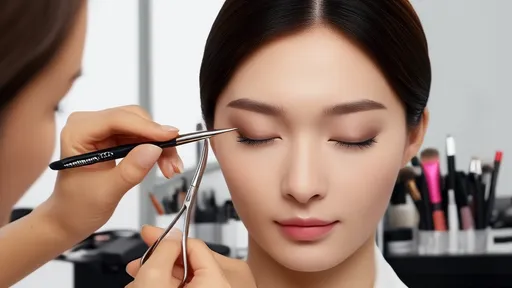
Tools and techniques for brow grooming have evolved significantly. While tweezers remain a staple, modern options include precision trimmers, angled scissors, and even small razors for delicate shaping. Waxing offers quick, clean results but requires skill to avoid over-removal. Threading provides precise lines and can remove fine hairs that tweezers might miss. For those seeking semi-permanent solutions, microblading creates hair-like strokes that last months, while tinting enhances existing brow color. The method chosen should align with one's pain tolerance, maintenance preferences, and desired look.
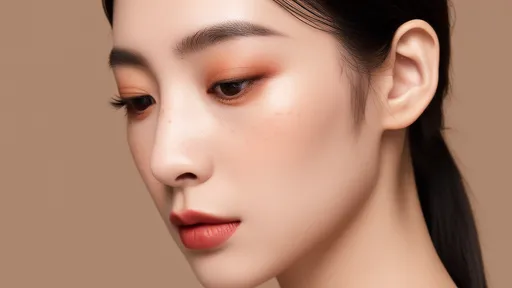
The coloring of eyebrows deserves special attention, as the right shade can make all the difference. A common mistake is matching brow color exactly to hair color. In reality, brows should typically be one to two shades darker than blonde hair and slightly lighter than very dark hair. Warm complexions generally suit brow colors with golden or reddish undertones, while cool complexions look best with ashy tones. The coloring technique also matters – softer, feathery strokes create more natural-looking results than harsh, solid lines. Many find that combining products (like a pencil for definition and powder for fullness) yields the most dimensional effect.
Maintenance between professional appointments is key to keeping brows looking their best. Daily brushing with a spoolie helps train hairs to lie smoothly. Clear brow gels maintain shape without adding color, while tinted gels offer light definition for low-maintenance days. Those growing out their brows should resist the urge to over-pluck, focusing only on obvious stray hairs outside the desired shape. Regular application of brow serums can encourage healthier hair growth for those working with sparse areas. The goal should be enhancement rather than complete transformation – working with one's natural brow characteristics typically yields the most flattering results.
Eyebrow trends may come and go, but the principles of good brow design remain constant. Proportion, balance, and harmony with facial features will always trump passing fads. Whether opting for a bold, dramatic brow or a soft, natural look, understanding these fundamentals allows for personalized eyebrow artistry. The perfect arch isn't about copying someone else's brows but about creating the ideal frame for one's unique eyes and face. With the right knowledge and techniques, anyone can achieve eyebrow perfection that enhances their natural beauty.

By /Jun 28, 2025
By /Jun 28, 2025
By /Jun 28, 2025

By /Jun 28, 2025
By /Jun 28, 2025
By /Jun 28, 2025
By /Jun 28, 2025
By /Jun 28, 2025

By /Jun 28, 2025
By /Jun 28, 2025
By /Jun 28, 2025

By /Jun 28, 2025
By /Jun 28, 2025

By /Jun 28, 2025
By /Jun 28, 2025
By /Jun 28, 2025

By /Jun 28, 2025

By /Jun 28, 2025