The art of makeup transcends mere application—it’s a symphony of colors that can elevate your features, express your mood, or even redefine your persona. Understanding how to harmonize shades is akin to wielding a painter’s palette, where each hue tells a story. Whether you’re a minimalist who prefers muted tones or a maximalist who thrives on bold contrasts, mastering color coordination is the key to unlocking your signature look.
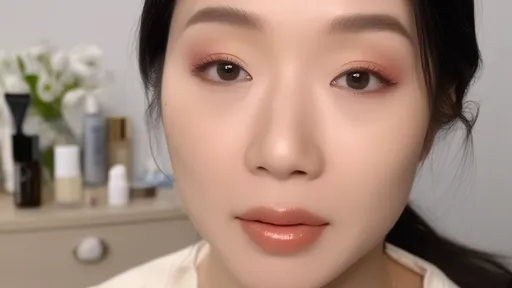
The foundation of any great makeup look lies in recognizing your undertones. Warm undertones glow under golden, peachy, or coral shades, while cool undertones shine with rosy pinks, blues, and jewel tones. Neutral undertones have the luxury of straddling both worlds. A quick wrist test under natural light can reveal whether your veins appear greenish (warm) or bluish (cool). This knowledge becomes your compass when selecting everything from foundation to eyeshadow.
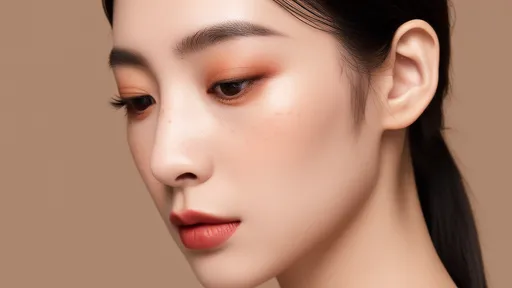
Monochromatic schemes offer a foolproof approach for beginners. By sticking to variations of a single color family—like pairing a dusty rose lip with a deeper burgundy blush—you create cohesion without overwhelming the senses. This technique works exceptionally well for daytime looks or when you want your makeup to whisper rather than shout. The subtle gradation of tones adds dimension while maintaining elegance.
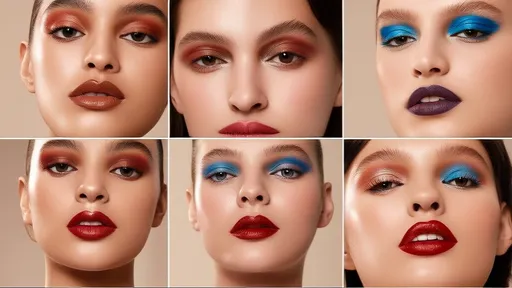
Complementary colors—those opposite each other on the color wheel—create dynamic contrast that commands attention. Imagine emerald green eyeliner making brown eyes smolder or tangerine blush bringing life to pale blue eyes. These pairings work because they create visual tension that the human eye finds irresistibly striking. However, the trick lies in balancing intensity; when one feature pops, others should play supporting roles.
Seasonal color analysis has resurged as a transformative tool for makeup enthusiasts. Winters flourish in crisp whites and icy pastels against their high-contrast features, while autumns radiate in burnt oranges and olive greens. Springs blossom with clear, warm hues like peach and light coral, and summers melt into soft, cool tones like lavender and powder blue. Aligning your palette with nature’s cycles ensures your makeup never fights against your natural coloring.
The interplay between makeup and wardrobe deserves thoughtful consideration. A cobalt blue dress might inspire a golden eyeshadow moment, leveraging the complementary color principle. Alternatively, matching your lipstick to a dominant color in your outfit creates a polished, intentional aesthetic. Those who favor neutral clothing often use makeup as their primary splash of color—a vivid red lip or electric blue eyeliner becomes the exclamation point of their ensemble.
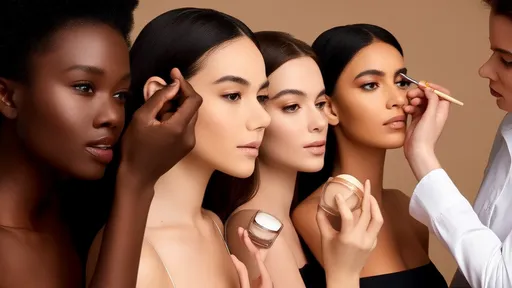
Skin depth dramatically influences how colors translate on your face. Deep complexities can carry richer, more saturated shades that might overwhelm fair skin, while lighter tones may get lost on darker complexions without proper pigmentation. This isn’t about limitations but rather understanding how to adjust saturation levels. A neon pink might require sheer application on porcelain skin but builds to opacity on ebony skin for equal vibrancy.
Cultural color symbolism adds another layer of meaning to your selections. In Western societies, red lips historically signaled confidence, while in some East Asian cultures, gradient lips using soft pinks project youthful innocence. Gold universally conveys luxury, but its application—whether as a delicate inner corner highlight or gilded full lid—communicates different levels of opulence. Being mindful of these associations allows your makeup to speak intentionally.
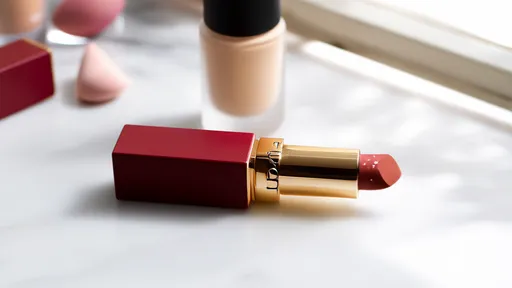
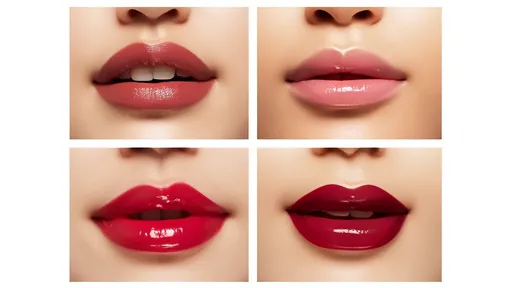
Texture dramatically alters color perception. A matte crimson lip reads as classic and precise, while that same pigment in a glossy finish feels juicy and contemporary. Metallic finishes intensify a color’s presence, making even neutral taupes command attention. When combining textures, maintain color consistency—a shimmery champagne lid paired with a matte nude lip creates harmony, whereas mixing multiple colors and textures risks visual chaos.
Environmental lighting dictates how your carefully chosen colors will appear to the world. Daylight reveals true tones, while incandescent lighting warms them. Fluorescent lights can drain warmth, making cool tones appear ashen. Evening events with candlelight demand richer hues that won’t disappear in low light. Test your makeup near windows, in bathroom lighting, and with your phone’s flash to ensure it translates across all scenarios.
Personal evolution should guide your color journey. The mauves that complemented you at twenty might not honor the subtle shifts in your complexion at forty. Life changes—hair color transitions, lifestyle shifts, even emotional growth—can all invite new colors into your repertoire. Periodic reassessment keeps your look authentic rather than habitual. Sometimes revisiting old favorites sparks joy; other times, it reveals how far you’ve come.
Makeup color theory isn’t about rigid rules but about understanding relationships. It’s knowing when to let your freckles dictate a sheer wash of color versus when to transform into a technicolor dream. The most memorable makeup looks often come from those who grasp these principles well enough to artfully break them. After all, the right colors don’t just adorn your face—they amplify everything that makes you uniquely magnetic.
By /Jun 28, 2025
By /Jun 28, 2025
By /Jun 28, 2025
By /Jun 28, 2025
By /Jun 28, 2025
By /Jun 28, 2025
By /Jun 28, 2025
By /Jun 28, 2025

By /Jun 28, 2025
By /Jun 28, 2025
By /Jun 28, 2025

By /Jun 28, 2025
By /Jun 28, 2025
By /Jun 28, 2025
By /Jun 28, 2025
By /Jun 28, 2025

By /Jun 28, 2025
By /Jun 28, 2025