Valentine’s Day has long been synonymous with grand gestures, expensive gifts, and lavish dinners. The pressure to conform to commercialized ideals of romance can turn what should be a celebration of love into a stressful, wallet-draining affair. But what if we reimagined Valentine’s Day as something more authentic, less about consumerism and more about connection? This is the heart of the Valentine’s Survival Guide: Anti-Consumerist Romantic Solutions—a manifesto for those who believe love shouldn’t come with a price tag.
The origins of Valentine’s Day are murky, tied to ancient festivals and martyred saints, but its modern incarnation is unmistakably corporate. Walk into any store in February, and you’re bombarded with heart-shaped chocolates, overpriced roses, and jewelry ads insisting that love is measured in carats. The message is clear: if you’re not spending, you’re not loving hard enough. Yet, this mindset often leads to performative romance—empty gestures that prioritize spectacle over sincerity.
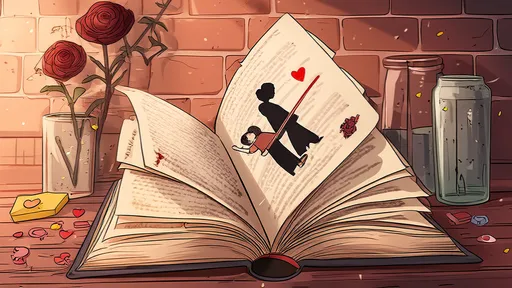
Breaking free from this cycle doesn’t mean abandoning romance altogether. Instead, it’s about redefining what romance looks like. Consider the power of a handwritten letter in an era of digital ephemera. There’s an intimacy in putting pen to paper, in crafting sentences meant for one person’s eyes only. Unlike a mass-produced card, a letter carries the weight of your voice, your handwriting, the time you took to sit and think solely of them. It’s a relic of slower, more deliberate ways of loving—one that feels radical in its simplicity.
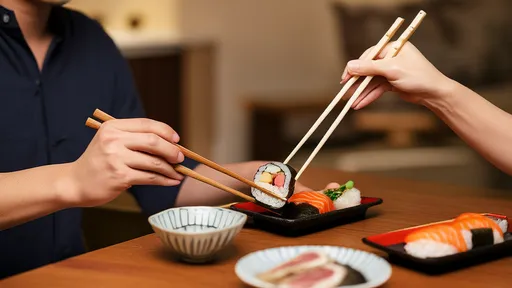
Then there’s the act of creating rather than consuming. A homemade meal, even if it’s just slightly-burnt cookies or a pasta dish with unevenly chopped vegetables, speaks volumes. The effort itself becomes the gift. Compare this to a reservation at a packed restaurant where you’re rushed through courses under fluorescent lighting, surrounded by other couples dutifully checking the “romantic dinner” box. Which scenario truly fosters connection?
Another casualty of commercialized Valentine’s Day is the exclusion of those not in romantic relationships. The day can feel isolating for singles, widows, or those grieving lost loves. But love isn’t monopolized by couples. An anti-consumerist approach opens the door to celebrating platonic bonds—a Galentine’s brunch with friends, a phone call to an estranged sibling, volunteering at a community center. These acts reject the notion that love is transactional or confined to romantic partnerships.
Nature offers some of the most profound romantic settings, free of charge. A sunrise hike, a blanket fort in the living room, or stargazing in the backyard requires no reservation or credit card. These moments strip away distractions, leaving only the raw pleasure of shared presence. In a world where “quality time” often competes with buzzing phones and streaming queues, choosing undivided attention is perhaps the most luxurious gift of all.
The backlash against Valentine’s consumerism isn’t about deprivation; it’s about abundance—the kind that can’t be bought. It’s the abundance of time, of laughter over inside jokes, of quiet understanding that needs no grand declaration. This Valentine’s Day, the most rebellious act might be to step off the treadmill of obligatory spending and ask: What does love actually look like for us? The answer, more often than not, won’t be found in a store.
For those tired of roses that wilt and chocolates that melt, the real challenge isn’t finding the perfect gift—it’s mustering the courage to celebrate love on your own terms. The anti-consumerist Valentine isn’t a blueprint but an invitation: to dig deeper, to waste less, and to hold close what truly matters. After all, the best things in life aren’t things.

By /Jul 3, 2025

By /Jul 3, 2025

By /Jul 3, 2025
By /Jul 3, 2025

By /Jul 3, 2025

By /Jul 3, 2025

By /Jul 3, 2025

By /Jul 3, 2025

By /Jul 3, 2025

By /Jul 3, 2025

By /Jul 3, 2025

By /Jul 3, 2025

By /Jul 3, 2025

By /Jul 3, 2025
By /Jul 3, 2025

By /Jul 3, 2025

By /Jul 3, 2025

By /Jul 3, 2025