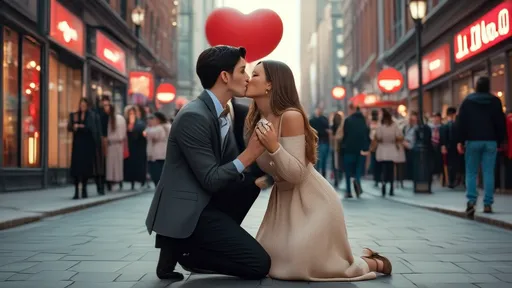
In the year 2070, the concept of dating has undergone transformations that would have been unimaginable a century ago. The Love White Paper 2070 delves into the intriguing question: Do humans still engage in offline dating? As virtual realities and AI companions become increasingly sophisticated, the traditional notion of face-to-face romance seems almost antiquated. Yet, against all odds, the human desire for physical connection persists—albeit in unexpected ways.
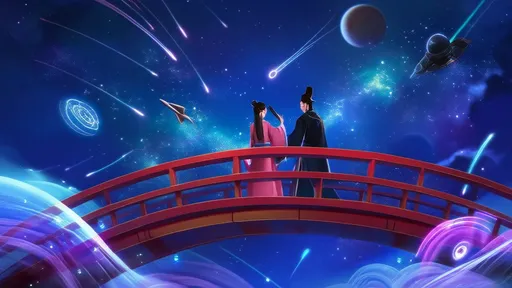
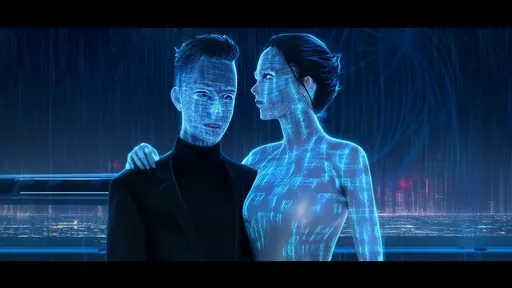
The rise of immersive digital environments has redefined how people meet and interact. Neural-linked dating apps now allow individuals to share emotions, memories, and even simulated physical touch across continents. For many, these hyper-realistic virtual dates eliminate the inconveniences of travel, social anxiety, or geographical limitations. A significant portion of the population, particularly those in tech-centric megacities, argue that offline dating is an inefficient relic of the past. "Why endure awkward dinner silences when you can curate perfect moments in a shared holographic Paris?" remarks a 28-year-old quantum data analyst interviewed for the report.
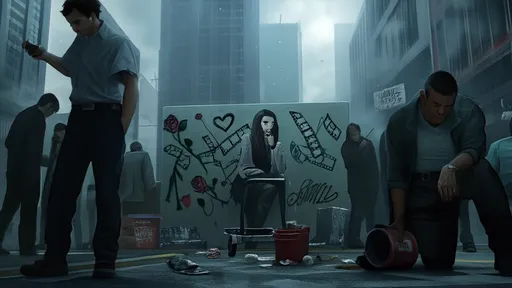
However, the White Paper reveals a fascinating counter-movement among younger generations. Dubbed "The Analog Rebellion," cohorts of urbanites are deliberately choosing unplugged interactions. Specialty bars with Faraday cage shielding (to block digital signals) have emerged in Tokyo and Berlin, where patrons must surrender all devices before entering. These spaces facilitate what sociologists call "raw dating"—unfiltered, unedited human connection without algorithmic interference or digital augmentation. "There's a hunger for authenticity that even the most advanced VR can't replicate," observes Dr. Elara Minsky, lead researcher of the study.
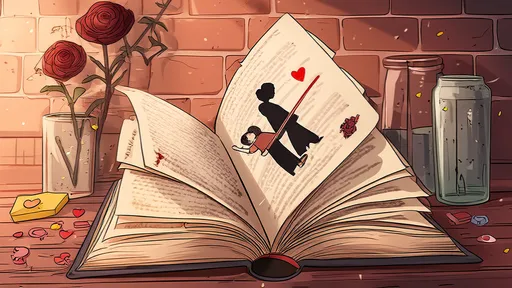
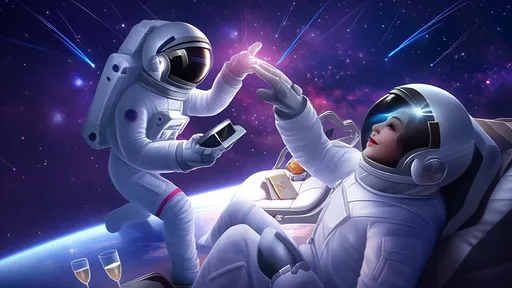
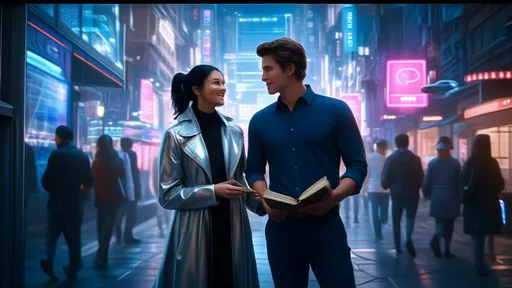
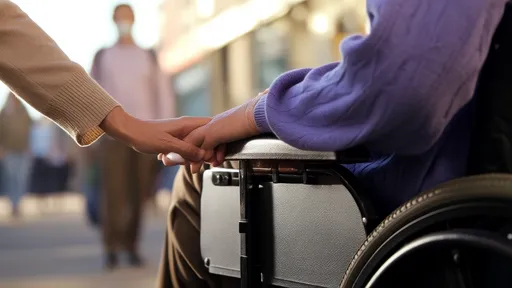
Interestingly, offline dating in 2070 has become a luxury experience rather than a default. High-end "retro dating" agencies charge exorbitant fees to arrange real-world encounters, complete with vintage activities like holding hands or sharing physical books. Meanwhile, middle-class couples might save for months to afford a "Bio-Connected Weekend"—where they temporarily disable all implants to experience unfettered intimacy. This commodification of analog interaction has created new social divides, with purists arguing that corporations have co-opted what should be fundamental human behavior.
The environmental impact of both dating modes presents another layer of complexity. While virtual dating drastically reduces carbon footprints from travel, the energy demands of maintaining metaverse infrastructures are staggering. Conversely, the resurgence of local, offline "slow dating" communities champions sustainability through walking dates and urban foraging meetups. The White Paper notes a peculiar trend: those who can afford the ecological guilt tend to prefer digital dating, while climate-conscious youth are driving the return of tangible romance.
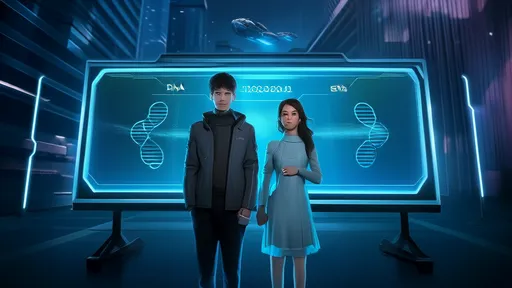
Perhaps most surprising is the neurological data. Brain scans reveal that face-to-face encounters still trigger deeper oxytocin releases than even the most convincing simulations. This biological truth suggests that while technology may augment human connection, our primal wiring still craves the unpredictable chemistry of physical presence. As one 19-year-old participant poetically stated during a focus group: "No algorithm can replicate the way sunlight changes someone's eyes when they laugh in person."
The 2070 Love White Paper concludes that offline dating hasn't disappeared—it's evolved into a conscious choice rather than a necessity. In an age where digital intimacy is cheap and abundant, real-world romance has become both a rebellious act and a status symbol. The very artificiality of modern life seems to have heightened appreciation for authentic human moments. As the boundaries between physical and virtual continue to blur, one truth endures: the human heart remains stubbornly, beautifully analog at its core.
By /Jul 3, 2025

By /Jul 3, 2025
By /Jul 3, 2025
By /Jul 3, 2025

By /Jul 3, 2025

By /Jul 3, 2025
By /Jul 3, 2025

By /Jul 3, 2025
By /Jul 3, 2025
By /Jul 3, 2025
By /Jul 3, 2025
By /Jul 3, 2025

By /Jul 3, 2025
By /Jul 3, 2025

By /Jul 3, 2025

By /Jul 3, 2025
By /Jul 3, 2025
By /Jul 3, 2025