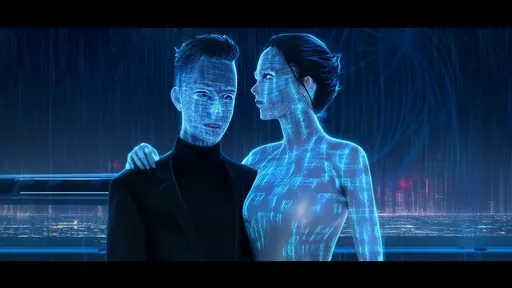
In a world where technology increasingly mediates human connections, the concept of using genetic compatibility to find love has moved from science fiction to reality. Companies now offer DNA-based matchmaking services, promising couples a higher chance of long-term happiness based on biological compatibility. But as algorithms and lab results infiltrate the realm of romance, a pressing question emerges: can science truly replace the elusive magic of falling in love?
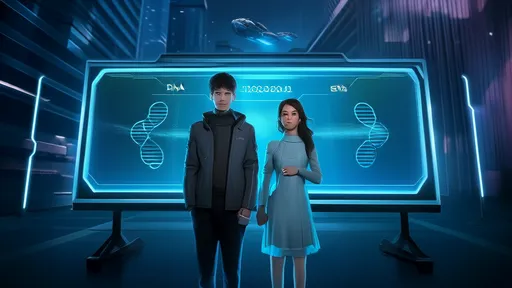
The idea behind genetic matchmaking hinges on research suggesting that certain genetic markers influence attraction and relationship success. One frequently cited study involves the major histocompatibility complex (MHC), a group of genes linked to immune system function. Research indicates that people tend to be subconsciously attracted to partners with dissimilar MHC genes, possibly because such pairings could produce offspring with stronger immune systems. Dating platforms leveraging this science analyze users' DNA samples—typically collected via cheek swabs—to identify potential matches with optimal genetic chemistry.
Proponents argue that this approach removes guesswork from dating. "We're not saying love is purely biological," explains Dr. Helen Fisher, a biological anthropologist involved with several matchmaking services, "but ignoring science would be like building a house without checking the foundation." Couples matched through these services report higher satisfaction rates in early studies, with some companies claiming their methods reduce divorce likelihood by up to 50%. The appeal is particularly strong among educated professionals in their 30s and 40s—demographics increasingly frustrated with traditional dating apps' superficial swiping mechanisms.
Yet critics highlight fundamental flaws in reducing human connection to genetic code. Romantic relationships involve complex psychological, emotional, and social dimensions that no DNA test can capture. The very notion of quantifying love through biology strikes many as reductive, ignoring cultural values, personal growth, and the unpredictable nature of human desire. "I've seen arranged marriages with 'perfect' genetic alignment end disastrously," notes relationship counselor Mark Greene, "while couples who met by chance—genetically incompatible by all measures—build profoundly loving partnerships."
Beyond scientific limitations, ethical concerns loom large. Genetic matching raises privacy issues, as users surrender sensitive biological data to corporations with questionable long-term safeguards. There's also the uncomfortable echo of eugenics in selecting partners based on hereditary traits—a slippery slope toward valuing people for their DNA rather than their humanity. Some sociologists warn these services could exacerbate societal inequalities, as privileged groups disproportionately access (and benefit from) such technologies.
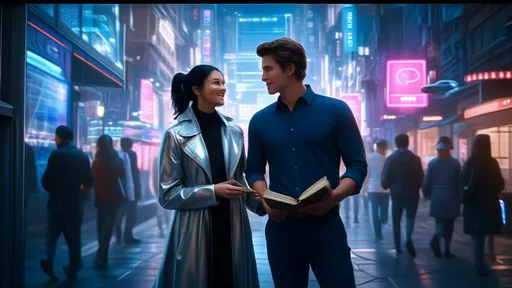
Perhaps most importantly, the very premise challenges cultural narratives about love's nature. For centuries, poets and philosophers have celebrated love's irrational, uncontrollable essence—the "spark" that defies logic. Genetic matching frames romance as an optimization problem, potentially stripping away the mystery and growth that often accompany unpredictable connections. As novelist Celeste Ng observes, "The best relationships aren't just about compatibility—they're about becoming more yourself through someone else's eyes, and that process is messy by design."
As these services gain traction, they're evolving beyond simple DNA comparisons. Some now incorporate personality assessments and values-based algorithms alongside genetic data, attempting a more holistic approach. Others focus on specific goals like reducing hereditary disease risk in offspring rather than claiming to optimize romance. This nuanced development suggests the technology might find its place not as a replacement for traditional dating, but as another tool in humanity's eternal quest for connection—one that works best when balanced with old-fashioned chemistry.
The debate ultimately reflects broader tensions between technological progress and human experience. While genetic matchmaking offers intriguing possibilities, love's essence may always resist complete scientific explanation. As we navigate this new frontier, the healthiest approach might involve neither wholesale rejection nor uncritical embrace, but thoughtful consideration of how science can inform—without dictating—the complex dance of human hearts.

By /Jul 3, 2025

By /Jul 3, 2025
By /Jul 3, 2025
By /Jul 3, 2025

By /Jul 3, 2025

By /Jul 3, 2025
By /Jul 3, 2025

By /Jul 3, 2025

By /Jul 3, 2025
By /Jul 3, 2025
By /Jul 3, 2025
By /Jul 3, 2025

By /Jul 3, 2025
By /Jul 3, 2025

By /Jul 3, 2025

By /Jul 3, 2025

By /Jul 3, 2025

By /Jul 3, 2025